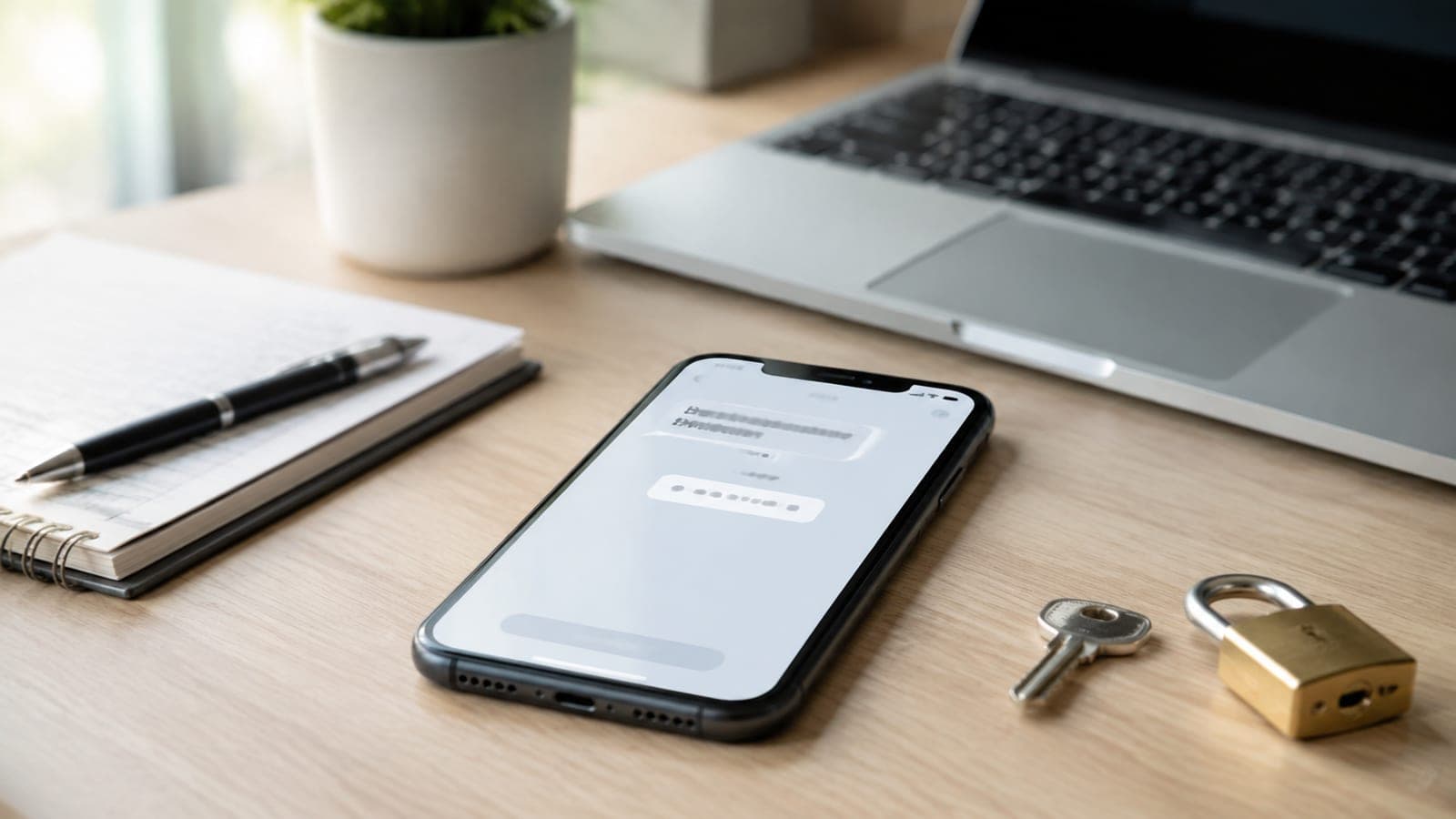
Disposable Phone Number: Safe OTP Verification Guide
Disposable Phone Number: A Practical Guide to Online OTP Verification
Many online platforms require a phone number before allowing users to create an account, sign in, recover access, or activate a new feature. When you do not want to use your personal number for every registration, a disposable phone number can provide a convenient alternative. Combined with a reliable OTP verification service, it allows you to receive SMS online without depending on a physical SIM card.
This guide explains how virtual numbers work, where they are useful, what limitations to expect, and how to choose a dependable provider for services such as Telegram, WhatsApp, Discord, X/Twitter, Amazon, PayPal, and ChatGPT. It also covers privacy, security, responsible use, and practical troubleshooting advice.
What Is a Disposable Phone Number?
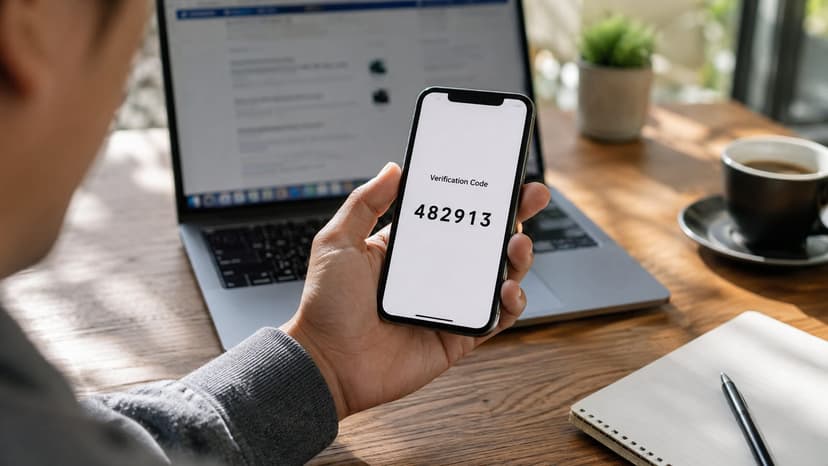
A disposable phone number is a temporary or short-term virtual number that can receive text messages, including one-time passwords and verification codes. Unlike a conventional mobile number, it is usually accessed through an online dashboard rather than a physical handset. Depending on the provider, the number may be available for a single verification attempt, for a limited period, or for repeated use during a rental window.
These numbers are commonly used for testing, privacy-conscious registrations, temporary projects, and situations where a platform requires a number from a specific country. They are not designed to replace a permanent personal or business line in every situation. For long-term account recovery, financial services, and critical identity verification, a private number that you control permanently is usually the safer choice.
How virtual SMS numbers work
- You select a country and the online service you want to verify.
- The provider assigns an available virtual number.
- You enter that number on the platform’s registration or login page.
- The platform sends an OTP or verification SMS.
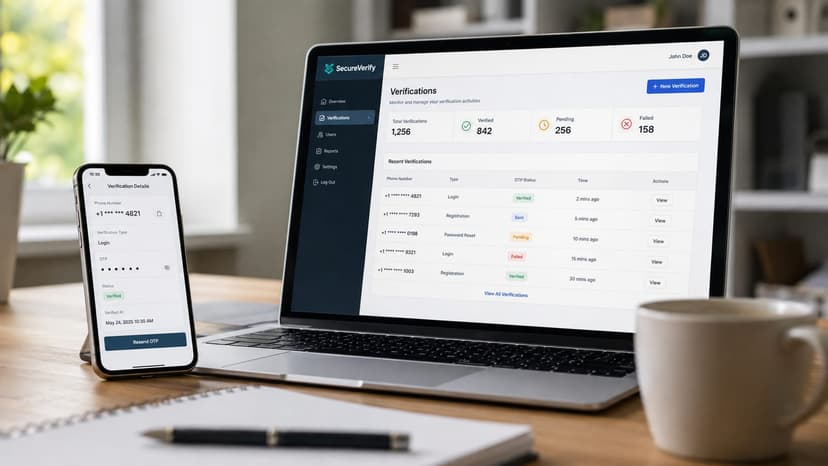
- The message appears in the provider’s dashboard or API response.
- You enter the code before it expires and complete the verification step.
The process is normally fast, but delivery depends on the platform, mobile network, number quality, regional availability, and the provider’s infrastructure.
Why People Receive SMS Online
There are several legitimate reasons to use an online SMS receiving service. Privacy is one of the most common. A user may not want to distribute a personal number to every website, application, or online community. A virtual number can create separation between personal communications and low-risk registrations.
Businesses and developers also use online numbers when testing onboarding flows, regional experiences, notification systems, or customer-support tools. A development team may need to confirm that OTP delivery works for users in different countries without purchasing a collection of physical SIM cards.
- Privacy: Keep your personal number separate from temporary registrations.
- International testing: Check how an application behaves in different markets.
- Convenience: Access SMS through a browser instead of carrying another device.
- Cost control: Avoid monthly mobile plans for short-term verification needs.
- Automation: Use an API to connect verification messages with internal workflows.
Tip: Treat a temporary number as a short-term tool, not as the only recovery method for an important account.
Popular Platforms That May Require SMS Verification
Telegram and WhatsApp
Messaging applications often use phone verification to reduce automated abuse and confirm account ownership. A virtual number may be useful for a separate work, testing, or community account. However, platform rules can change, and some numbers may already have been used too many times. If an account is important, make sure you understand its recovery options before relying on a temporary number.
Discord and X/Twitter
Online communities and social platforms may request an OTP during registration, suspicious-login checks, or security reviews. A number can help separate a public project from a personal identity, but users should avoid creating accounts for spam, impersonation, manipulation, or any activity that violates platform policies.
Amazon, PayPal, and ChatGPT
Marketplaces, payment platforms, and AI services may use phone verification as part of account protection or regional onboarding. These services can apply stricter risk controls than ordinary websites. A virtual number may not always be accepted, and it should never be used to bypass identity checks, payment controls, fraud prevention, or legal requirements. For financial accounts in particular, a permanent number under your control is generally more appropriate.
Choosing a Reliable OTP Verification Service
Not all virtual SMS providers offer the same level of reliability. The cheapest option may have limited inventory, slow delivery, recycled numbers, or poor support. Before selecting a service, evaluate the following factors.
1. Country and service coverage
Check whether the provider supports the country and platform you need. A number that works for Telegram may not work for PayPal or Amazon. Service-specific availability is important because platforms use different filters and may reject numbers with a history of suspicious activity.
2. Delivery speed
Most OTP codes expire quickly. A good provider should show incoming messages promptly and provide a clear status if a code does not arrive. Fast delivery is especially important when the platform allows only one verification attempt.
3. Transparent pricing
Look for clear prices, refund policies, and expiration rules. Some providers charge for every reservation, even when no SMS arrives. A pay-per-success model can reduce wasted spending, provided the terms are easy to understand.
4. Number quality and privacy
Ask how numbers are sourced, how long they remain available, and whether messages are visible to other users. Avoid using shared numbers for confidential information. OTP messages may contain account identifiers or sensitive details, so the provider should use secure account access and sensible data-retention practices.
5. API access and documentation
Developers may need an API to request numbers, check message status, handle timeouts, and release unused reservations. Good documentation, predictable responses, and rate-limit information make integration easier and reduce operational errors.
BinOTP as an Example of an Online SMS Solution
For users comparing providers, BinOTP is one practical example of a virtual number platform designed for receiving verification codes. It offers numbers across more than 180 countries and supports over 400 services, including many popular communication, social, commerce, and AI platforms. Codes usually arrive in about five seconds, and the pricing model means you only pay when a code actually arrives. Developers can also use the available API for automated workflows.
As with any verification provider, users should select the correct country and service, read the current terms, and use the number only for lawful activity that complies with the relevant platform’s rules.
💡 Suggested solution: BinOTP
- ✅ 180+ countries, 400+ services supported
- ✅ Codes usually arrive within 5 seconds
- ✅ You only pay when a code actually arrives — from $0.08
- ✅ Developer API for easy integration
How to Receive SMS Online Safely
Using a virtual number responsibly requires more than choosing the first available option. The following practices can improve privacy and reduce account problems.
- Use a reputable provider with clear ownership, pricing, and support information.
- Never share an OTP with another person, even if they claim to represent a platform.
- Do not use temporary numbers for banking, tax, medical, employment, or other high-risk accounts.
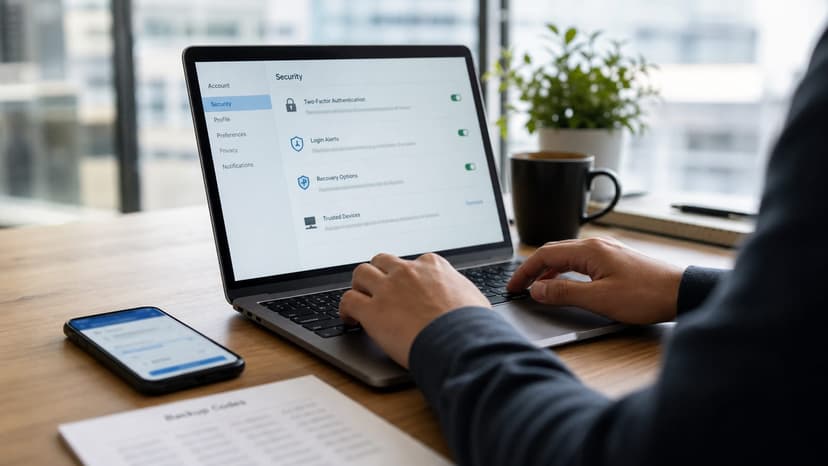
- Enable an authenticator app, passkey, backup code, or other recovery method whenever available.
- Review the platform’s terms and avoid automation, spam, scraping, or account abuse.
- Delete or release the number when the verification task is complete.
- Keep business API credentials private and rotate them if you suspect exposure.
A verification code proves only that a message reached a number at a specific moment. It does not replace identity verification or guarantee that an account will remain accessible. Platforms may later request additional checks, especially when a login comes from a new device or location.
Common Problems and Troubleshooting Tips
The OTP does not arrive
First, confirm that the country code and service selection are correct. Wait for the platform’s full delivery window before requesting another code, because repeated requests can trigger rate limits. If the message still does not appear, cancel the reservation according to the provider’s policy and try a different number or supported route.
The number is rejected
A platform may block a number because it has been used previously, belongs to a range associated with abuse, or does not match regional risk signals. Try another number from the same country, or select a different supported route. Do not repeatedly create accounts to evade a platform restriction.
The code has expired
OTP messages are intentionally short-lived. Keep the verification page open, avoid unnecessary delays, and enter the latest code rather than an earlier message. If multiple requests were made, the newest code will often invalidate previous codes.
The account later asks for another number
This can happen when a service performs a second security review. For important accounts, add a permanent recovery method immediately after registration. Temporary numbers should not be treated as a guaranteed lifetime login solution.
Disposable Numbers Versus Permanent Phone Numbers
The right choice depends on the purpose of the account. A disposable number is convenient for short-term verification, testing, and privacy separation. A permanent number is better when you need reliable recovery, calls, two-factor authentication over a long period, or proof of ongoing ownership.
Consider a disposable number for a temporary software test or a low-risk registration. Consider a permanent number for a PayPal account, business administration, customer support, or any service that stores valuable data. In some cases, an authenticator app or passkey provides stronger protection than SMS and should be enabled alongside any phone-based method.
Frequently Asked Questions
Is a disposable phone number legal?
Using a temporary virtual number is generally legal when it is used for legitimate purposes. Laws and platform rules vary by country and service. It is not appropriate to use one for fraud, impersonation, harassment, unauthorized access, or evasion of identity and security controls.
Can one number verify multiple services?
That depends on the provider and the platform. Some numbers are rented for one activation, while others remain available for a defined period. Reusing a number can also increase the chance of rejection or account confusion.
Are online SMS messages private?
Privacy varies widely. Some services use dedicated numbers, while others provide shared inboxes. Never use a shared public number for sensitive accounts, confidential communications, or information that could expose you or another person.
Can developers automate OTP retrieval?
Yes, some providers offer APIs for number allocation and message retrieval. Automation should be limited to authorized testing, onboarding, or business processes and must follow the applicable platform terms, privacy requirements, and rate limits.
Conclusion
A disposable phone number can be a useful way to protect personal privacy, test international user flows, and receive SMS online for short-term verification. The best results come from choosing a transparent OTP verification service with suitable country coverage, fast delivery, fair pricing, secure access, and reliable support.
Use temporary numbers thoughtfully: never rely on them as the sole recovery method for important accounts, and always respect the rules of Telegram, WhatsApp, Discord, X/Twitter, Amazon, PayPal, ChatGPT, and other platforms. If you need broad coverage, quick code delivery, pay-on-success pricing, or developer integration, you can explore BinOTP as one available solution.